Fermentation is one of the oldest biological processes on Earth. Long before humans used it to make cheese, bread, or wine, microorganisms were using it to break down organic matter and cycle nutrients through the soil. Today, a growing body of peer-reviewed research is confirming what regenerative farmers have observed for decades: fermented inputs do much more than add nutrients. They reshape the biology of the soil and change the way plants grow, defend themselves, and respond to stress.
What Fermentation Actually Is
At its core, fermentation is a metabolic process in which microorganisms convert carbohydrates into organic acids, gases, alcohols, and a wide range of bioactive compounds — all without the need for oxygen. The most well-known players in agriculture are lactic acid bacteria (LAB), yeasts, and photosynthetic bacteria. Each group produces different end products and fills a different role in the soil ecosystem.
LAB are gram-positive organisms that convert sugars into lactic acid as their primary end product. They are adapted to high sugar concentrations and acidic environments, and are found in decomposing plant matter, fermented foods, and the gut flora of most living organisms. In soil, this means they are native, widespread, and biologically active wherever organic carbon is present.
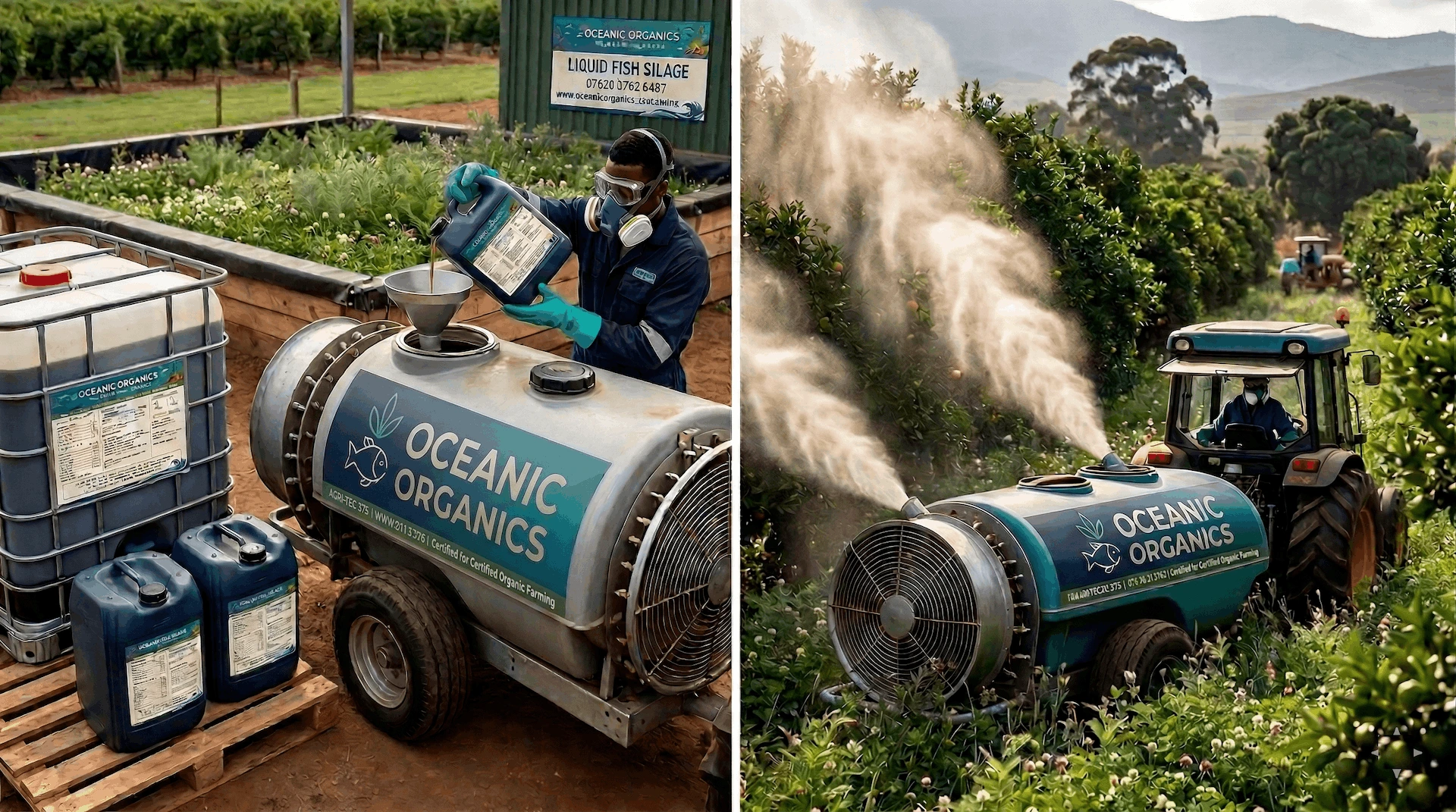
Fish silage takes this process a step further. When fish waste is anaerobically fermented — as in the production of Oceanic Organics' liquid fish silage — LAB rapidly acidify the substrate, preserving proteins and breaking them down into peptides and free amino acids that are highly available to both plants and soil microorganisms. The result is a fermented, biologically active product that feeds the soil food web while delivering a full spectrum of nutrients.
What Fermentation Does to Soil
The most immediate effect of applying fermented inputs to soil is the introduction of a diverse community of living microorganisms and the organic acid metabolites they produce. This sets off a chain of biological events with measurable benefits.
Organic matter breakdown and nutrient cycling
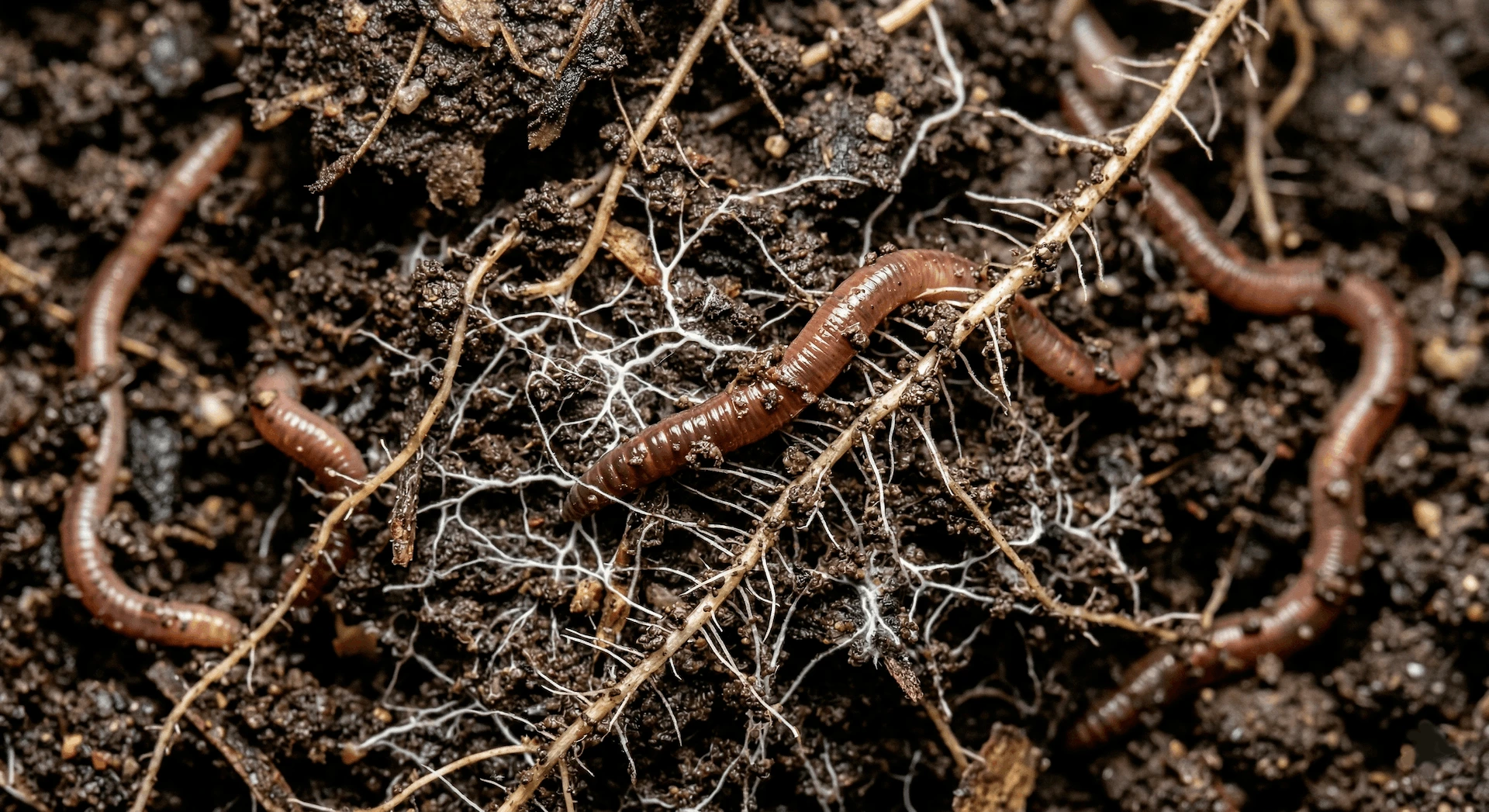
Research found that the addition of LAB-based inoculant to soil amended with fresh organic material accelerated decomposition and the release of plant-available nutrients, with populations of fungi, lactobacilli, aerobic bacteria, and actinomycetes all increasing in treated soils compared to untreated controls. Faster breakdown does not mean nutrients are leached — it means they cycle through microbial biomass and become available to plants steadily over time. Fish silage amplifies this effect by arriving in the soil already partially digested, making it immediately accessible to the microbial community.
Phosphorus solubilisation
One of the most practically important effects of LAB fermentation is the unlocking of bound phosphorus. Using LAB in phosphate-accumulated soil increases its capacity to absorb insoluble phosphate forms, because fermentation pathways provide a more efficient means for utilising organic substances during decomposition in soil. This is critical on farms where years of fertiliser application have locked up phosphorus in forms the plant cannot access.

Soil structure and water retention
Fermented compost products based on lactic acid bacteria improve soil fertility, soil structure, and aeration, neutralise alkalinity, and enhance moisture retention. The organic acids produced during fermentation help to break apart compacted aggregates, improving root penetration and water infiltration — a direct benefit for water-stressed crops.
Nitrogen cycling
Fermented inputs also reduce nitrogen losses. LAB and nitrification bacteria reduce ammonia emissions from soil and promote nitrification, meaning less nitrogen is lost to the atmosphere and more is converted into plant-available forms. Fish silage, with its naturally high amino acid nitrogen content, feeds this process directly.
Enriching the rhizosphere microbiome
Perhaps the most significant long-term benefit is the shift fermented inputs cause in the microbial community around the root zone. Research replacing 30% of the total nitrogen requirement in lettuce and tomato crops with a LAB fermentation by-product found that it not only maintained comparable yields, but also enriched the rhizospheric soil with plant-growth-promoting microorganisms. These findings support the use of LAB eluates as a circular and biostimulatory integration into conventional fertilisation practices.
What Fermentation Does for Plants
The benefits to plant health come from two places: the living microorganisms in the fermented input, and the bioactive compounds those organisms produce during fermentation.
Protein hydrolysates and amino acids
When organic proteins — like those found in fish — are broken down through fermentation, they form peptides and free amino acids that act as powerful biostimulants. The effects of protein hydrolysate-based biostimulants on crops include:
- Improved root development and seed germination
- Induced tolerance to both abiotic and biotic stressors
- Improved crop performance
- Increased nutrient-use efficiency
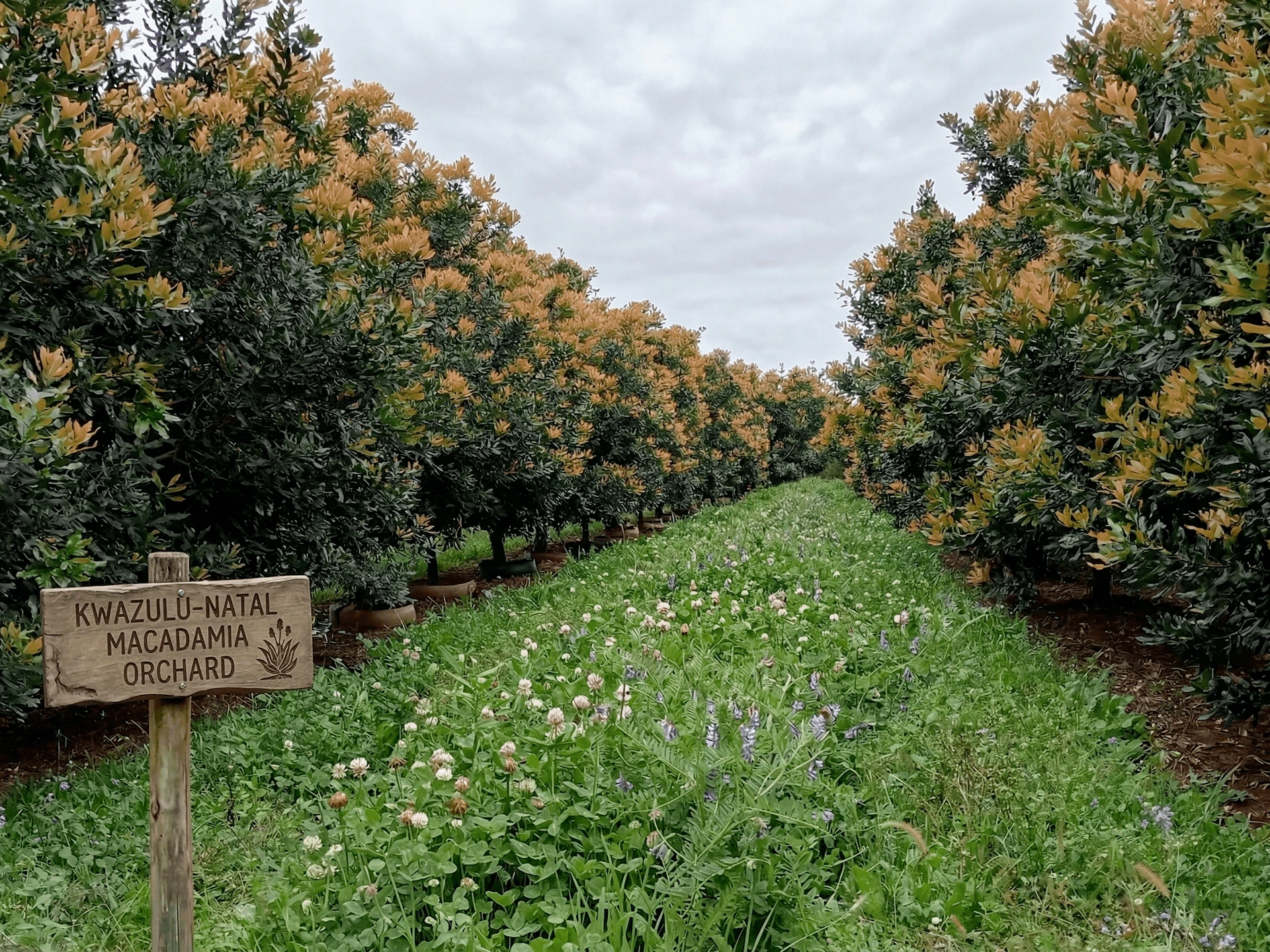
These amino acids also act as natural chelators. Improved nutrient uptake in hydrolysate-treated plants has been associated with changes in root architecture, as well as increased nutrient availability in the soil solution resulting from the complexation of nutrients by peptides and amino acids, and enhanced microbial activity. This means plants can reach nutrients that would otherwise stay locked in soil minerals — a particular advantage in high-pH soils common in KwaZulu-Natal's commercial farming regions.
Root growth stimulation
Fermentation bacteria directly trigger root growth through hormone production. Some lactic acid bacteria produce indole-3-acetic acid (IAA), a plant hormone that stimulates root elongation and lateral root development. Certain LAB strains have also been shown to solubilise phosphate and fix atmospheric nitrogen. A more extensive root system means the plant can access a larger volume of soil, improving both nutrient uptake and drought resilience.
Disease suppression
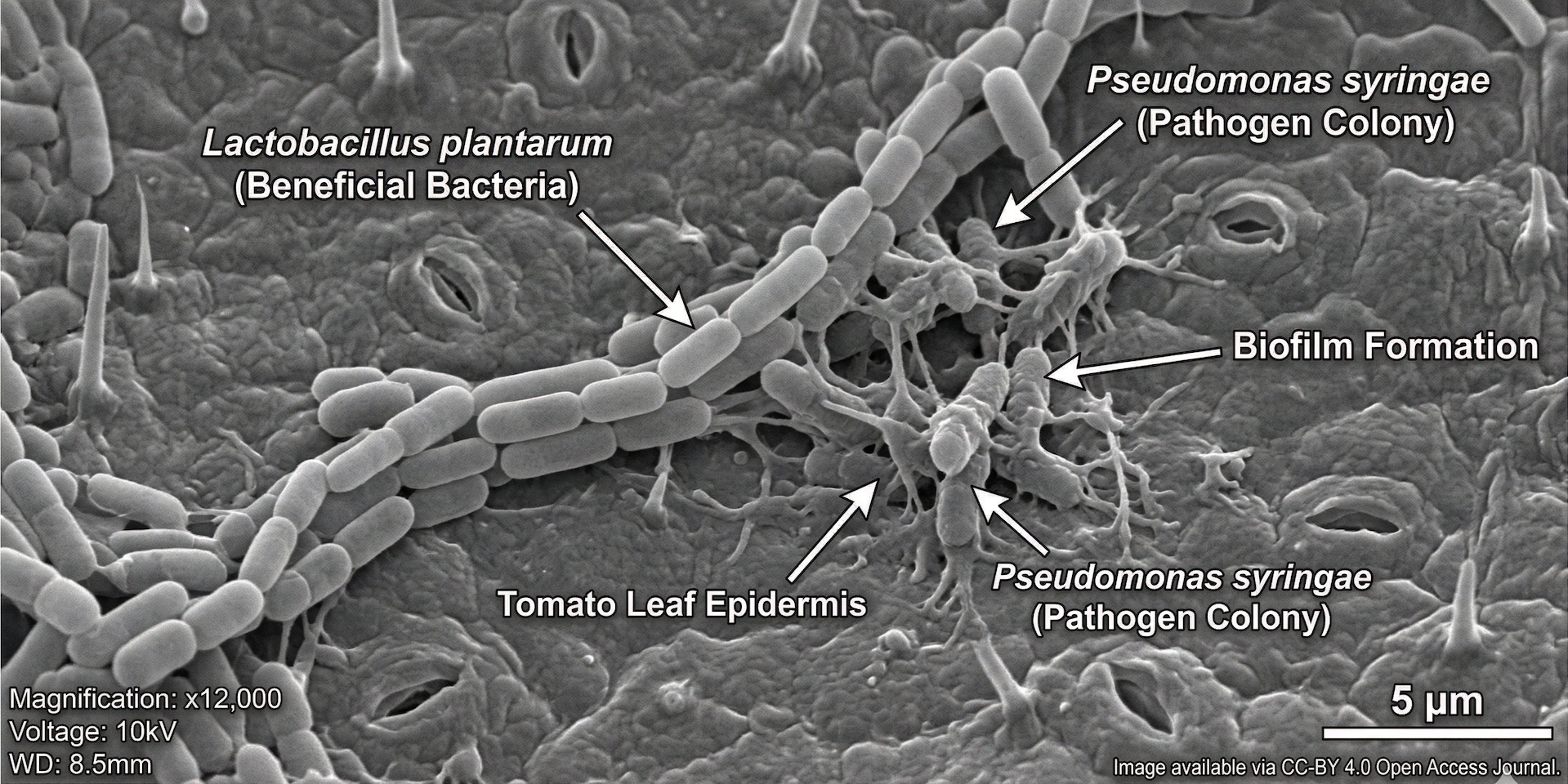
Lactobacillus plantarum and Leuconostoc mesenteroides — LAB strains common in anaerobic ferments — showed broad-spectrum activity against bacterial pathogens in kiwifruit, stone fruit, and strawberry crops, with field performance on par with reference biocontrol treatments. The generation of lactic acid and the resulting drop in local pH was partly responsible for the inhibitory mechanism. In practical terms, a healthy, LAB-rich rhizosphere creates an environment that is actively hostile to disease organisms.
Stress resilience
Fish-derived protein hydrolysates, in particular, have shown measurable benefits for plants under stress. Application of animal-derived protein hydrolysates alleviated salt stress by lowering chloride uptake and translocation, with greater stress tolerance linked to compatible solutes such as proline and glycine betaine present in the hydrolysate. These compounds act as internal buffers that help the plant maintain function under heat, drought, and salinity pressure — conditions that are increasingly common across South African commercial farms.
The Bigger Picture
The research is consistent in one key message: fermentation does not simply add inputs to soil. It creates conditions where a diverse, active microbial community can take hold, accelerate nutrient cycling, protect plant roots, and produce growth-stimulating compounds that synthetic fertilisers cannot replicate.
LAB metabolites promote plant growth and stimulate both shoot and root development. As fertilisers, LAB can promote biodegradation, accelerate soil organic content, and produce organic acid and bacteriocin metabolites that support both plant health and soil fertility.
Fish silage sits at the centre of this system. It is a fermented product, a protein hydrolysate, a microbial food source, and a biostimulant all in one. Applied regularly, it builds the kind of biologically active soil that commercial agriculture increasingly depends on — especially as the costs and limitations of synthetic fertiliser programmes become harder to ignore.